

Have you ever looked at a desktop PC and thought, “I wish laptops were as easily upgradeable.” Now, thanks to Framework Laptops, you can. Unlike almost every other laptop on the market, you can choose and swap the ports here. But that’s just one of the many reasons why you hear so much buzz around these devices.
The Modular Soul: Beyond the USB Hub
In a traditional laptop, you get only the ports the company provides. Usually, that means a couple of Type-C and an HDMI port. If you want a different port, like USB Type-A, you need a USB hub.
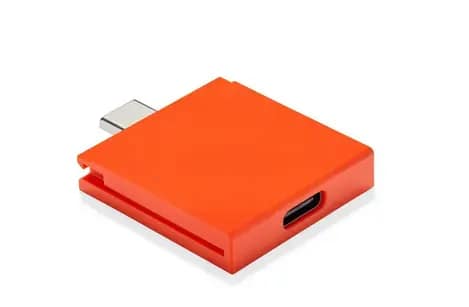
With Framework laptops, you can swap the ports as you like. In this context, these laptops go a step further than the lords of modularity: desktops. Because, as upgradeable as a custom desktop is, you can’t switch ports without changing the motherboard. Here, you get an expansion card of your choice and swap it with the one you don’t need.
The CPU & GPU Switches
Another area where the Framework laptop shines is in the GPU department. It allows swapping between compatible AMD Radeon and Nvidia GeForce RTX Modules, which can be done with a single screwdriver. However, this is only possible on their more premium offering, Laptop 16.
Now, you might wonder if you can upgrade the processor as you could on desktops? The answer is a bit of a yes and no. Here, you can’t upgrade the processor individually but you can upgrade the mainboard (motherboard) in Framework laptops. So, CPUs can be upgraded too, just in a more indirect way.
And, you might think that’s a limitation of Framework, but it’s not. Instead, it is a limitation of the modern BGA architecture where the processor is soldered to the motherboard. Therefore, by changing the motherboard (or mainboard), you are essentially going past the CPU upgradeability issue.
The QR Code Revolution
Be it desktops or laptops, companies usually don’t educate their users on how to upgrade or change the parts. Framework goes one step ahead, ensuring the design is among the cleanest you will ever find.
Besides, you’ll find a QR on every component that will lead you to either a repair guide video or one on how to replace that specific part. These videos would be a game-changer for users who are open to doing repair work themselves.
It would be great even for overconfident folks like me who end up doing significant damage to their machine while getting their HDD out (Evidence below). Due to the damage I caused, I wasn’t able to turn my laptop on without getting it taped up, thanks to the loose connections I caused.
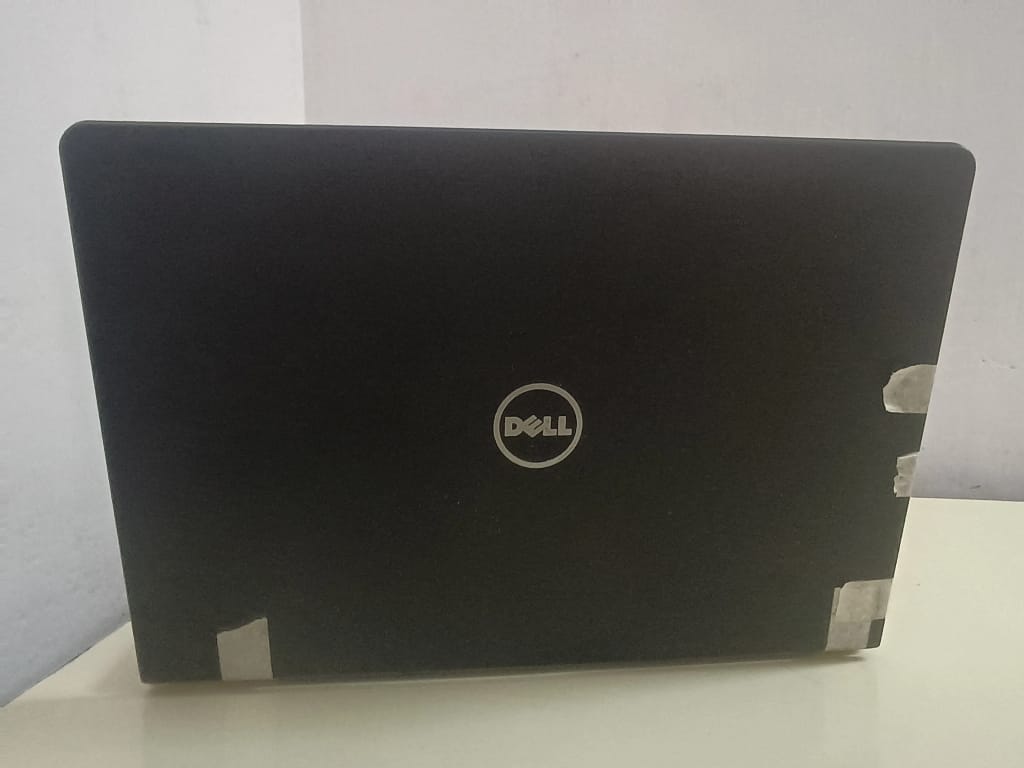
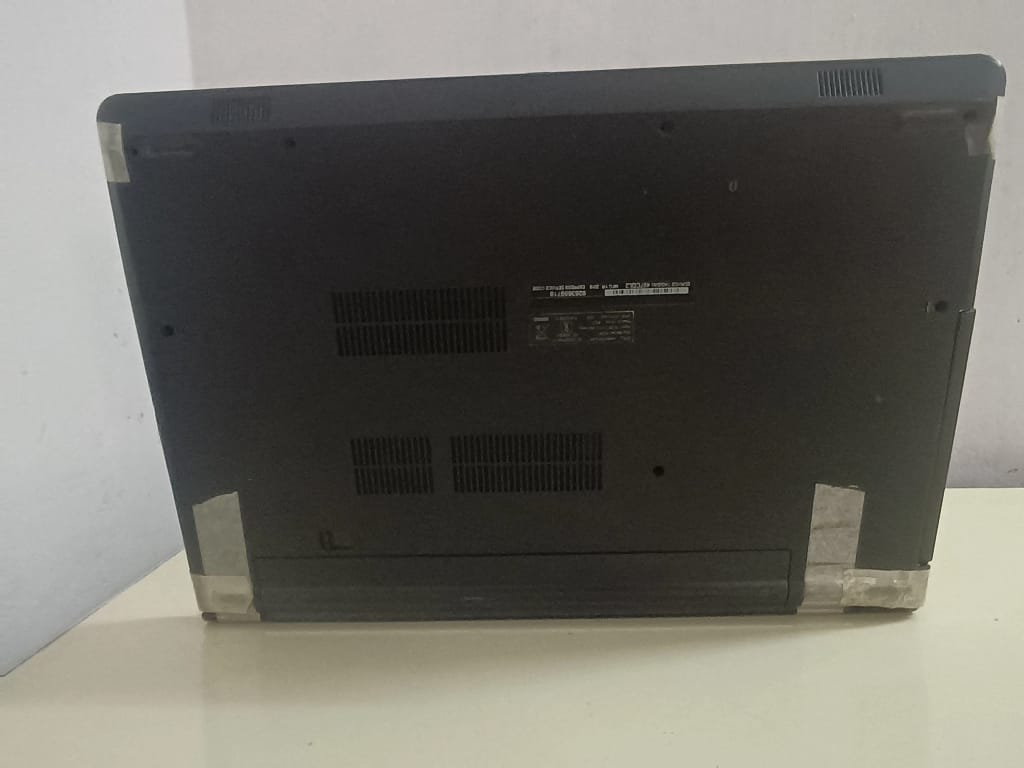
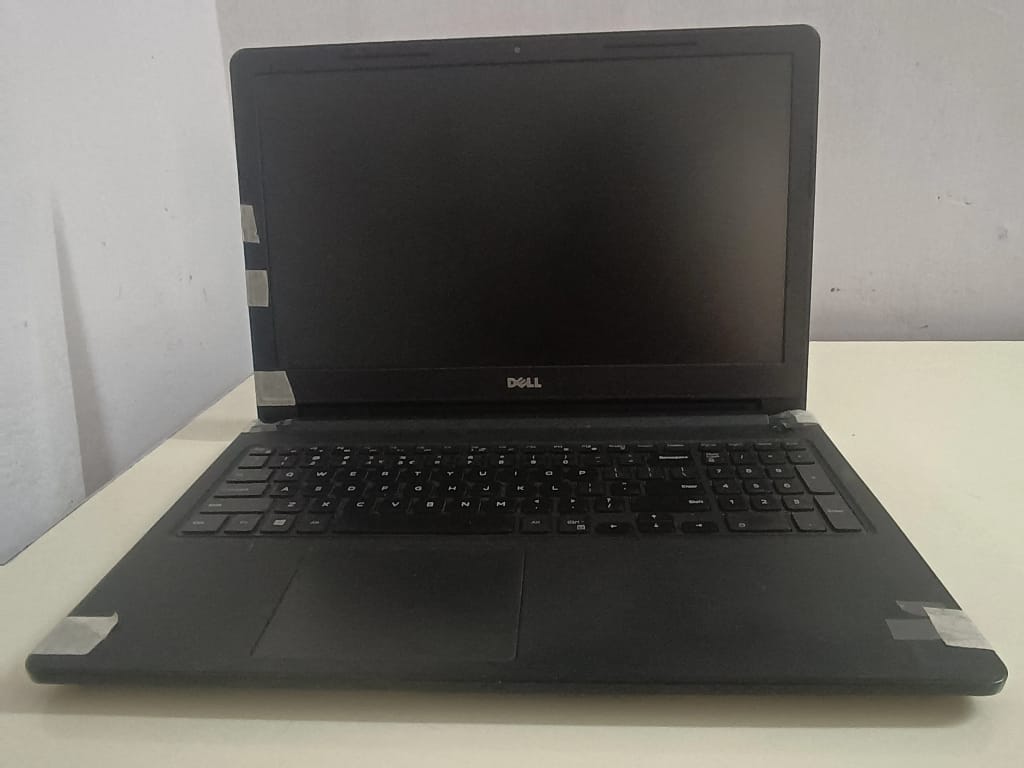
My mind wandered to bare motherboard cases before realizing I wouldn’t be able to handle it well. It’s in situations like these where you feel the importance of a motherboard case. Kudos to the company for thinking of situations like these and coming up with the right solution.
Also, full credit to them for educating the masses like never before. It’s one of the few laptops to achieve iFixit’s 10/10 repairability score, and it honestly deserves that honor.
Environmental Impact and Built to last
When you buy a new laptop, you are often looking for a better processor and/or graphic card. But, since the entire thing comes in a package, you get no value for your laptop’s old body.
By building swappable quality components, Framework has ensured that you get the power and don’t spend needlessly. Just swap the new components for the old ones, and you have a stronger device in your hands.
Giving Old Hardware a Second Chance
What about the old components, though? At this point, you’ll likely look to sell those online or through a local pc repair shop. But, there aren’t a lot of great options if you want to buy a motherboard case that can fit your components. Thankfully, Framework has solved that issue, too.
You can simply order the Cooler Master Framework Mainboard case and use it as a mini pc. Think of it this way: if you had a functioning movement with a damaged body, wouldn’t you want to transfer that to a new body and preserve your watch ? That is precisely what you’re doing here.
But, full disclosure, you will have to arrange the display, USB-C Power Adapter, Memory, Storage, and Wi-Fi/Ethernet Expansion Card. Also, note that it won’t support the Framework Laptop 16 mainboard, as it has a different size.
Honestly, I wish more companies would do this, so that you can use it as a backup device or pass it to another family member. On top of that, you get to keep more devices out of the landfill, so it is a win-win for all.
Affordability vs Longevity
As wholesome and noble as their philosophies are, it isn’t the most affordable laptop out there. To be fair, it would be cruel for us to expect modularity and longevity while also expecting it to top affordability charts. There’s another thing at play here and that is economies of scale.
Companies like Dell and Lenovo buy components in millions, so they are able to get a much better price. In comparison, Framework’s orders are smaller in number. So, their cost of production is higher. Therefore, if you are looking for the best performance at a certain budget, Framework might not be the best match.
Where it does provide value
Better Build Quality: Not that the big laptop manufacturers don’t build laptops with quality materials, but Framework’s would comparatively be better. And you can understand why that’s the case.
The competition is focusing on giving you the best performance at the given budget, while Framework is trying to help you use their product for a very long time. As a result, you’ll often find keyboards, chassis, and screens to be relatively better on Framework.
Port and Motherboard Issues: Let’s say one of your ports gets damaged one day. At that point, you’ll look for a USB hub that can help you utilize functional port(s). But if every port gets damaged, you will have to buy a new laptop. Even though technically repair shops can replace a motherboard, people rarely go that route because of how expensive it is.
On Framework, you won’t even have to go for the mainboard; you can just order expansion card(s), and be done with it. And, like I said previously, if the trouble does go to the mainboard level, you can always buy a new one.
Will it be right for you?
While I can’t tell whether it’s right for you, I can help you make that decision. The first thing you need to think of is how long you plan to use your device. If your main priority is getting the longest use out of your laptop, this should be right for you.
But keep in mind that if you’re looking for the best performance out of your budget, this may not qualify. On the bright side, the product is genuinely well-built. However, you should also factor in the repair and labor cost of your local market.
If you live in a country like the US, where repairs are expensive, and you’re someone who has had to get your device repaired pretty regularly in the past, Framework should be your next laptop.
Framework’s challenges in price-sensitive markets
Currently, the company serves a number of countries, including the United States, Canada, Australia, Taiwan, and Germany. While Framework is growing in price-sensitive markets like Italy and Spain, it would really be interesting to see how they do in India. Being an Indian myself, I have first-hand experience of how things work here.
Poetically, it’s a shame that the country where the average person uses their device for as long as possible didn’t get access to Framework, yet. But business-wise, it does make all the sense in the world. I recently took my laptop to my repair shop, and I felt proud of using a laptop that I bought 5 years ago.
But when I looked around, I realized that some guys were using even older devices and running Windows 7 in 2026. I also see some Xerox shops where the owner runs the same OS on hardware that would be considered incredibly ancient by today’s standards.
So, in a country where people are already using their machine for the longest, it would be a tough ask to ask them for a premium in exchange for modularity and longevity. Yet I still believe that Framework will be nice for the Indian Market, as it would help us improve our chances of limiting e-waste even more.
Conclusion
For a long time, laptops have become disposable tech. Framework has genuinely solved the need for people looking for control over their hardware and longevity. Even though the performance might not be the best for the price, the devices are built to last.
It will be interesting to see how it grows and competes with the traditional brands, especially in price-sensitive markets. Put it this way: Framework has gotten a lot of things right. The biggest is giving us a chance at a device that can grow with our needs.
Leave a Reply